
Why Sex in Your 80s Can Be the Most Intimate of Your Life
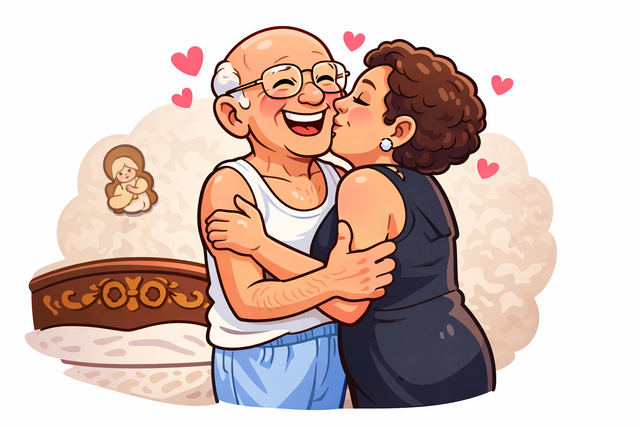
When most people imagine their 80s, they don’t tend to picture an active sex life. Popular culture still treats sexually active older adults as a curiosity, or even a joke. But research into ageing and sexuality paints a much more hopeful, human, and even romantic picture.
Some researchers refer to sexually active people over 80 as “sexual survivors”—not because their desire is unusual, but because they’ve managed to hold on to intimacy despite the physical, emotional, and social challenges that often come with age. Studies have shown that while physical issues such as erectile difficulties or reduced stamina can become more common, the emotional side of sex often becomes stronger than ever.
In fact, some surveys have found that men and women in their 80s report higher levels of emotional closeness and sexual compatibility than people decades younger. Without the pressures of career, raising children, or social expectations about performance, intimacy can become calmer, slower, and more deeply satisfying.
One of the biggest shifts in later-life sexuality is how people define sex itself. For many older couples, intimacy is less about penetration and more about connection. Kissing, touching, cuddling, massage, and shared affection often take centre stage. Rather than seeing this as a loss, many describe it as an evolution—sex that is less goal-oriented and more about pleasure, presence, and closeness.
There’s also a certain freedom that comes with age. Many people in their 80s feel more comfortable in their bodies and more confident in expressing what they want. There’s less concern about appearance, less anxiety about performance, and often more honesty between partners. That combination can lead to a kind of intimacy that younger couples, weighed down by expectations and insecurities, sometimes struggle to achieve.
Of course, an active sex life in your 80s isn’t guaranteed. Health conditions, medication, and the loss of a partner can all affect intimacy. In many cases, simply having a partner is the biggest factor in whether someone remains sexually active. But among those who do maintain an intimate life, satisfaction levels are often surprisingly high.
Another challenge is societal attitude. Older adults frequently report that their sexual concerns are dismissed by healthcare providers, or that they feel embarrassed bringing them up at all. Many internalise the belief that sex is “no longer relevant” to them. This silence can prevent people from seeking help with treatable issues such as erectile dysfunction, vaginal dryness, or medication-related side effects.
Yet the evidence suggests that intimacy remains important throughout life. A fulfilling sex life in later years has been linked to improved mood, lower stress, better sleep, and stronger emotional bonds. In other words, sex doesn’t just belong to the young—it’s a lifelong part of human wellbeing.
Perhaps the real lesson from these “sexual survivors” is not that everyone will peak in their 80s, but that desire doesn’t have an expiry date. With communication, creativity, and the right support, intimacy can continue to evolve and deepen well into later life.
Ageing may change how sex looks, but it doesn’t have to diminish how it feels. For many, the later decades offer something younger years often can’t: time, tenderness, and a deeper understanding of what truly brings pleasure.
0 Comments
There are no comments yet. Be the first one to post one!